
DIY Vending Machine Maintenance Tips for Retail Store Owners


Understanding Your Vending Machine
For retail store owners, vending machines can be a lucrative addition, offering convenience to customers and a steady stream of passive income. However, to keep them operational and profitable, regular maintenance is crucial. Understanding the basic components of your machine can empower you to perform effective DIY maintenance.
Vending machines typically consist of a refrigeration unit, a dispensing mechanism, and a control board. Familiarizing yourself with these parts can help you identify issues quickly and address them before they become serious problems.
Regular Cleaning Practices
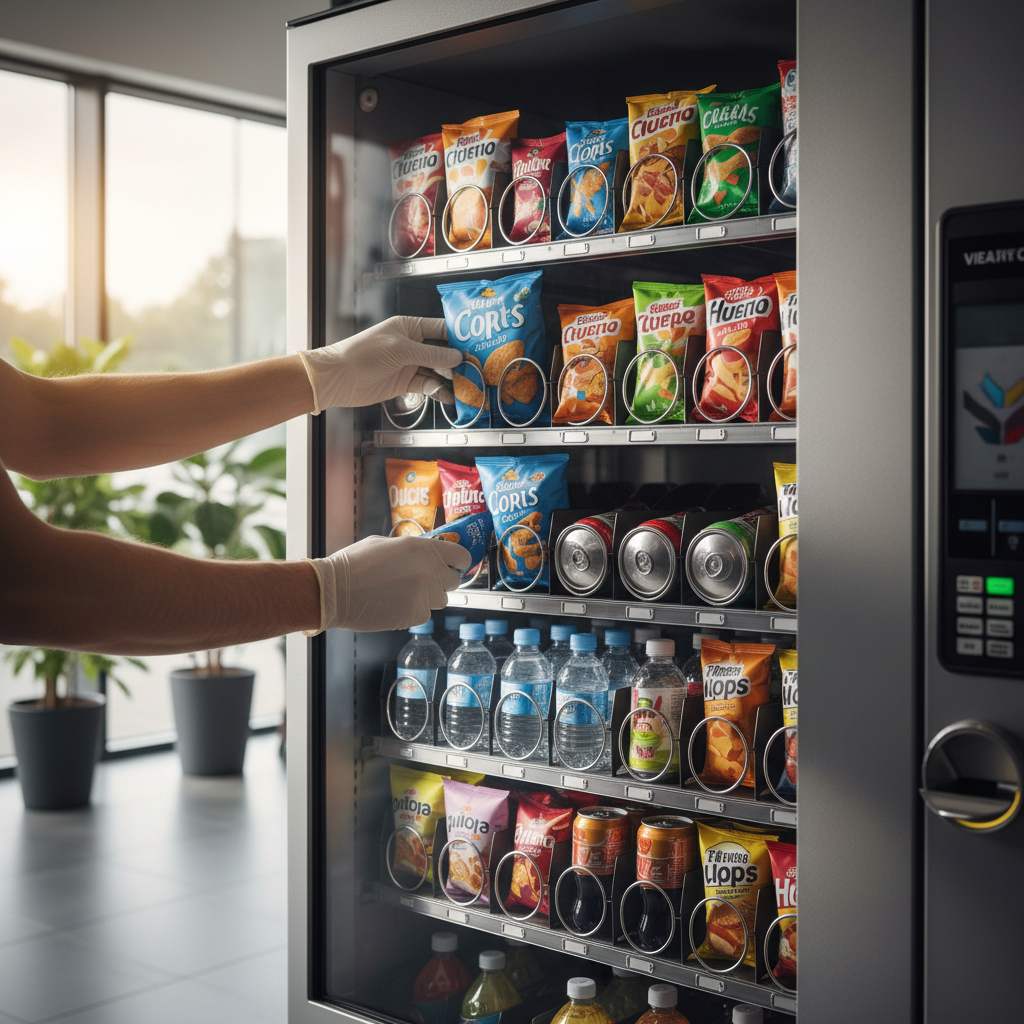
One of the simplest yet most effective maintenance tasks is regular cleaning. Dust and debris can accumulate inside the machine, affecting its performance. Make it a habit to clean your vending machine at least once a month. This involves wiping down surfaces, clearing out the dispensing area, and vacuuming vents to ensure proper airflow.
Pay special attention to the payment systems, as sticky buttons or card readers can frustrate customers. Use a soft cloth and a mild cleaning solution to keep these components in top condition.
Stocking and Inventory Management
Proper stocking is essential not only for sales but also for machine health. Overloading can lead to jams, while understocking might cause the machine to stop functioning correctly. Develop a routine for checking inventory levels and ensure that items are loaded correctly to prevent jams.
Troubleshooting Common Issues
Even with regular maintenance, issues can arise. Knowing how to troubleshoot common problems can save you time and money. Some typical issues include jams, incorrect product dispensing, and payment failures. For jams, carefully remove the obstruction and ensure the product is loaded correctly. If products are dispensed incorrectly, recalibrate the machine’s settings.
Payment issues might require checking the coin or bill acceptor for blockages or recalibrating the system. Keeping a small toolkit with basic tools can make on-the-spot fixes much easier.
Regular Software Updates
Modern vending machines often come equipped with software that controls various functions. Regular software updates can enhance performance, fix bugs, and sometimes add new features. Check with your machine's manufacturer for any available updates and install them as needed.
Monitoring Energy Efficiency
Energy efficiency is not just about reducing costs but also about ensuring your machine operates smoothly. Regularly inspect the refrigeration unit and ensure it’s working efficiently. This can involve checking seals, cleaning condenser coils, and ensuring proper ventilation.
Consider upgrading to energy-efficient models if your current machine is outdated. This investment can lead to significant savings in the long run.
Keeping a Maintenance Log
Maintaining a detailed log of all maintenance activities can be incredibly helpful. Record dates of cleaning, inspections, repairs, and any issues encountered. This information can assist in identifying recurring problems and planning future maintenance schedules.
Additionally, a maintenance log can be a valuable resource if you decide to sell or upgrade your vending machine, as it provides potential buyers with a comprehensive history.
Seeking Professional Help
While DIY maintenance can handle many issues, there are times when professional assistance is necessary. If you encounter a problem beyond your expertise or if the machine requires a more complex repair, don't hesitate to contact a professional technician. This can prevent further damage and ensure your machine remains operational.
By following these DIY maintenance tips, you can keep your vending machine running smoothly and maximize its potential in your retail store. Regular attention to detail not only enhances functionality but also extends the lifespan of your machine, ensuring it remains a profitable part of your business.