
Comparing Traditional Retail vs. Vending Machines: Which Is Right for You?


Understanding Traditional Retail
Traditional retail involves selling products through physical stores where customers can browse, touch, and try items before purchasing. These stores range from small local shops to large department stores. The personal interaction and immediate product availability make traditional retail a preferred choice for many.
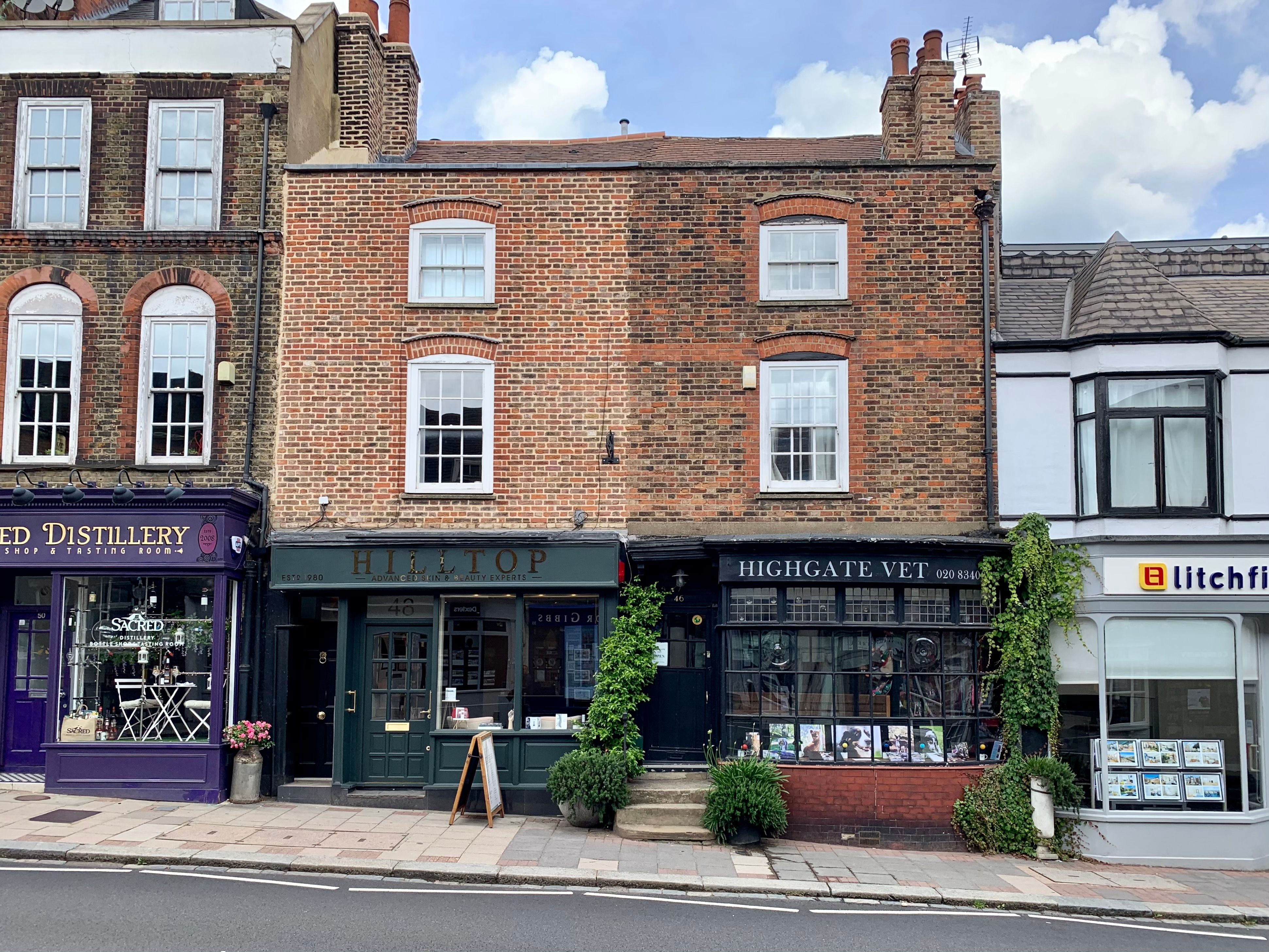
One of the major advantages of traditional retail is the customer experience. Shoppers enjoy the ability to interact directly with products and sales staff. This can lead to higher customer satisfaction and loyalty. Additionally, traditional stores often offer a wider variety of products and brands, giving customers more choices.
Challenges of Traditional Retail
However, traditional retail comes with challenges. Operating a physical store involves significant overhead costs, such as rent, utilities, and staffing. These expenses can impact profit margins, especially in competitive markets. Furthermore, traditional retail is limited by geographical location, potentially restricting customer reach.
The Rise of Vending Machines
Vending machines offer a different retail experience. They provide a convenient, automated way to purchase products without human interaction. Vending machines have evolved significantly, now offering a wide range of products beyond snacks and drinks, including electronics and personal care items.
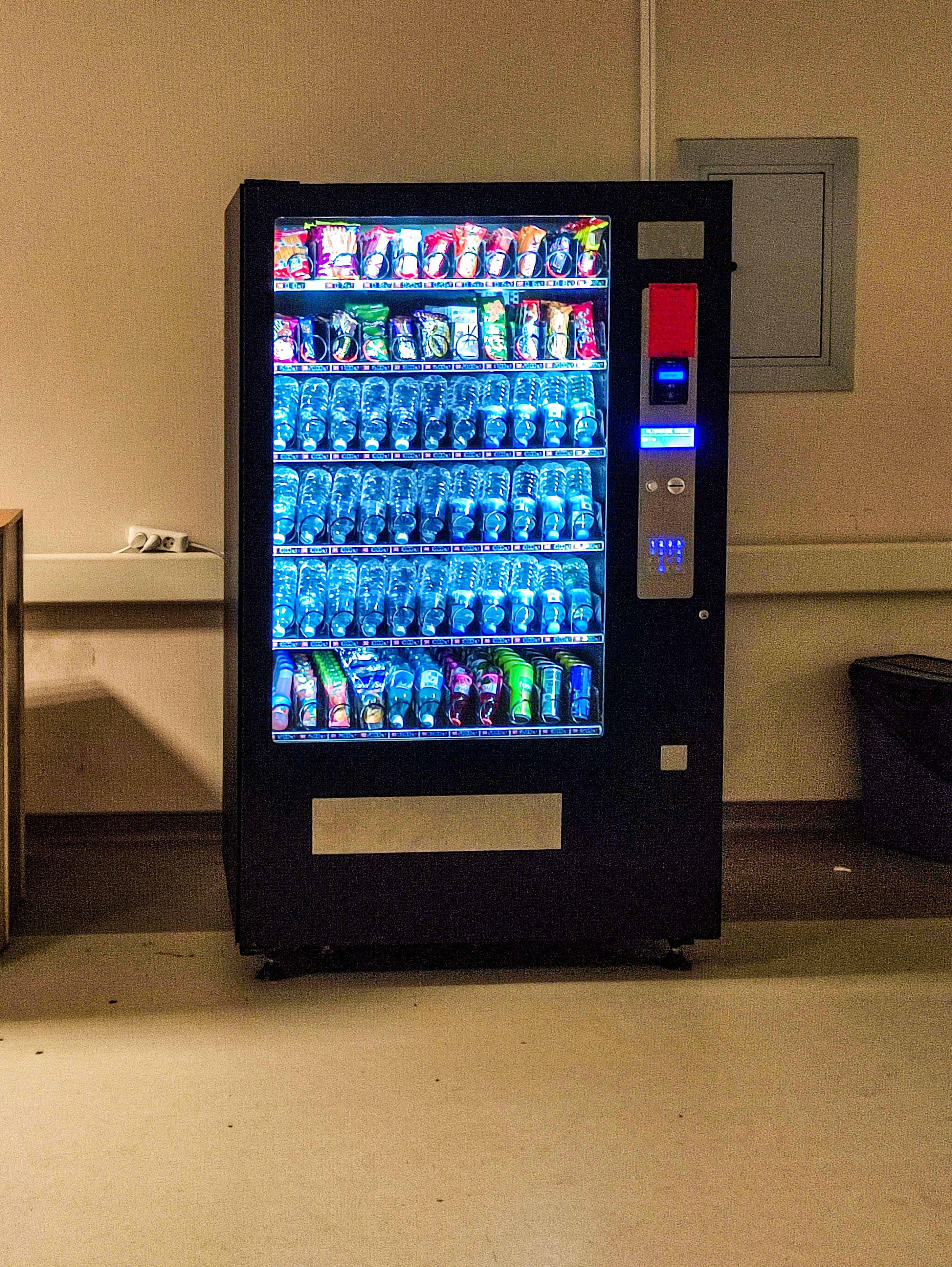
The primary advantage of vending machines is convenience. They operate 24/7, allowing customers to make purchases at any time. This flexibility can lead to increased sales, especially in high-traffic areas like airports, malls, and office buildings. Additionally, vending machines require lower operational costs compared to traditional retail stores.
Limitations of Vending Machines
Despite their advantages, vending machines have limitations. The product selection is generally limited, and they often lack the personalized customer service that traditional retail offers. Maintenance and restocking are also crucial to ensure a smooth operation and customer satisfaction.
Making the Right Choice
When choosing between traditional retail and vending machines, consider your target audience and product type. If customer interaction and a broad product range are important, traditional retail might be the better option. On the other hand, if convenience and lower operational costs are priorities, vending machines could be a more suitable choice.
Both traditional retail and vending machines have their unique benefits and challenges. By understanding these differences, businesses can make informed decisions that align with their goals and customer expectations.